How to Cycle a New Aquarium (Fishless): A Beginner's Guide
How to cycle a new aquarium the fishless way: grow the bacteria that turn ammonia into nitrate before adding fish. The steps, and what to test.
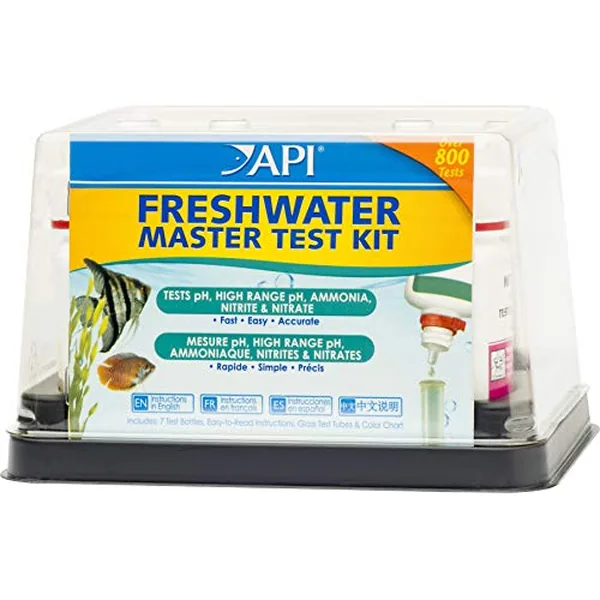
Cycling means growing the beneficial bacteria that turn toxic ammonia into nitrite and then nitrate, before you add fish. Add an ammonia source, test daily with a liquid kit (the API Freshwater Master), and wait until ammonia and nitrite both read zero within 24 hours and you see nitrate — usually 3-6 weeks. Seed the filter with mature media to speed it up, keep Seachem Prime on hand for spikes, and don't add fish early.
What "cycling" actually means
A new tank cannot keep fish alive until it grows a colony of beneficial bacteria in the filter. Those bacteria run the nitrogen cycle: they convert toxic ammonia (from fish waste) into nitrite (also toxic), and then into far-less-toxic nitrate, which you export with water changes. Cycling is simply building that colony before any fish are exposed to the ammonia — which is why the fishless method is the kind way to do it.
The steps
- Set up the tank — filter running, dechlorinated water, heater on. Chlorine and chloramine kill the very bacteria you are trying to grow.
- Add an ammonia source — bottled ammonia to about 2 ppm, or a pinch of fish food to rot. This feeds the bacteria.
- Test daily with a liquid kit. You need real numbers here, so use the API Freshwater Master Test Kit — strips are too vague at the low end.
- Watch the curve. Ammonia rises, then falls as nitrite rises, then nitrite falls as nitrate appears. That hand-off is the colony establishing.
- You are cycled when you can add ammonia and it — and nitrite — read zero within 24 hours, with nitrate present. Do a water change to drop the nitrate, then add fish slowly.
How to speed it up
The single biggest accelerator is seeded media: a handful of gravel, a squeezed sponge, or some ceramic media (like Seachem Matrix) from an established tank carries a live bacteria colony and can cut weeks off the wait. Bottled bacteria starters help too. Keep the heater warm (bacteria grow faster) and the filter running 24/7.
Protecting fish and avoiding mistakes
Keep Seachem Prime on hand: if you are doing a fish-in cycle or hit an unexpected spike, it binds ammonia and nitrite for a day or two while you do water changes. The classic mistakes: adding fish before the cycle finishes, "cleaning" the new filter (you rinse away your bacteria), and using chlorinated tap water. Above all — do not rush it. A tank takes 3-6 weeks to cycle, and there is no safe shortcut past zero.
Bottom line
Cycle fishless: add ammonia, test daily with the API Master kit, and wait for ammonia and nitrite to hit zero within a day with nitrate showing. Seed the filter to go faster, keep Prime for emergencies, and add fish only once the numbers say it is safe.
Cycling is growing the bacteria that convert ammonia → nitrite → nitrate before fish go in. Add ammonia, test daily with a liquid kit, and wait until ammonia and nitrite hit zero within a day and nitrate appears — usually 3-6 weeks. Seed the filter with mature media to speed it up, keep Prime on hand for spikes, and don't add fish early.
Common questions
How long does it take to cycle an aquarium?
A fishless cycle usually takes about three to six weeks. It is done when the tank can process an ammonia dose to zero ammonia and zero nitrite within 24 hours, with nitrate present.
Can you speed up the nitrogen cycle?
Yes, somewhat. Adding filter media or substrate from an established tank seeds the bacteria, and keeping the water warm and well-oxygenated helps them multiply. Bottled bacteria can help but results vary.
How do I know my tank is cycled?
Test the water: when a dose of ammonia drops to zero ammonia and zero nitrite within a day and you see nitrate, the bacteria are established and it is safe to add fish slowly.