Best Aquarium Root Tabs, Cost Per Tab Compared
The best root tabs for heavy root-feeders, ranked on what matters: nutrient content, how long they last and the real cost per tab.
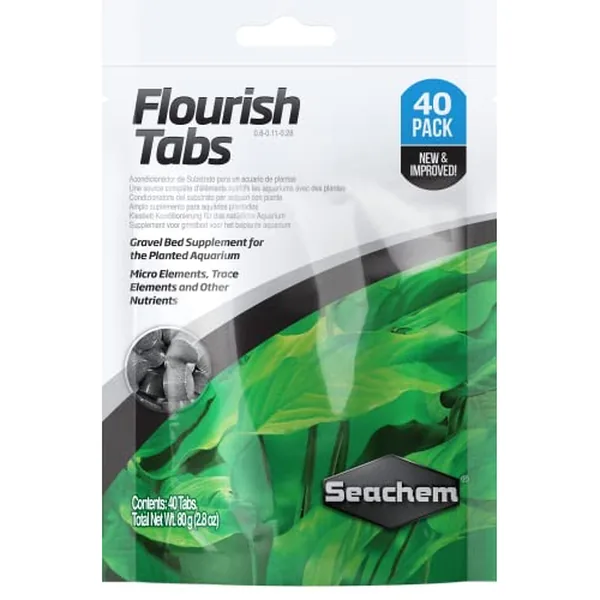
For heavy root-feeders the Seachem Flourish Tabs are the reliable all-rounder, well balanced and easy to place. NilocG ThriveCaps are the value pick with a higher nutrient load per tab and a lower cost per tab in bulk, and API Root Tabs are the cheap, widely available entry that works but is lighter on nutrients. Cost per tab matters more than bottle price, since you re-dose every few months.
| Product | Score | Nutrient Completeness | Dosing Control | Algae Risk | Owner Satisfaction | Value | Buy |
|---|---|---|---|---|---|---|---|
| Seachem Flourish Tabs (40-pack) Seachem · mid-range | 91 | 100 | 91 | 100 | 87 | 78 | Buy → |
| NilocG ThriveCaps Root Tabs (60-count) NilocG · budget | 82 | 95 | 83 | 92 | 63 | 85 | Buy → |
| API Root Tabs (10-count) API · budget | 82 | 91 | 85 | 82 | 70 | 86 | Buy → |
Root tabs feed heavy root-feeders like swords and crypts from the substrate, and you push a fresh one in every few months. Because it is a repeat purchase, the number that matters is not the pack price but the cost per tab and how much each tab actually delivers.
What separates a good root tab
- Nutrient load: the best tabs carry a full range including iron and trace elements, not just nitrogen and potassium. A richer tab means you place fewer of them.
- How long it lasts: most tabs feed for two to three months before they are spent, so plan on re-dosing quarterly.
- Cost per tab: a bulk pack that looks pricier can be far cheaper per tab, which is what your wallet actually feels over a year.
The picks
The Seachem Flourish Tabs are the balanced, dependable choice: a broad nutrient profile in a tab that is easy to slice and place, and the safe recommendation for most planted tanks. NilocG ThriveCaps are the value standout, packing a higher nutrient load and coming out cheaper per tab when bought in the larger counts, which suits a heavily rooted tank you dose often. API Root Tabs are the budget, everywhere-available option; they work, but they are lighter, so you place more of them more often.
How to place them
Push tabs into the substrate near the roots of heavy feeders, spaced roughly every few inches under the plants that need them, not scattered randomly across the whole tank. Rooted plants like swords and crypts respond; stems and epiphytes such as anubias barely notice, because they feed from the water instead. That water-column job belongs to liquid fertilizer, which is the other half of the decision in root tabs vs liquid ferts.
Don't overdo it
A cloud of nutrients released into the water (from crushing a tab, or placing far too many) can feed an algae bloom. Bury tabs fully, and start with fewer than the label suggests in a low-light tank. See the full fertilizer rankings for liquids and all-in-ones.
Seachem Flourish Tabs are the dependable choice for rooted plants, with NilocG ThriveCaps the value pick that costs less per tab in bulk. API Root Tabs work as a budget entry but run lighter on nutrients, so you place more of them.
Common questions
What are aquarium root tabs for?
They deliver nutrients directly to the substrate for heavy root-feeding plants like swords and crypts, which take most of their food through the roots. Water-column feeders rely on liquid ferts instead, so root tabs target the root feeders.
How often should I replace root tabs?
Roughly every 3 to 4 months for most tabs, or sooner if root feeders show pale or slow growth. Push a fresh tab into the substrate near the plant's roots; there is no need to dig out the old, spent one.
Are root tabs or liquid fertiliser better?
They do different jobs. Root tabs feed heavy root feeders through the substrate; liquid ferts feed water-column plants like stems and floaters. A planted tank with both kinds of plants usually uses both.