Best plant fertilisers
Independent rankings of aquarium plant fertilisers and root tabs by nutrient completeness, dosing control and algae risk — all-in-one liquids, supplements and substrate tabs.
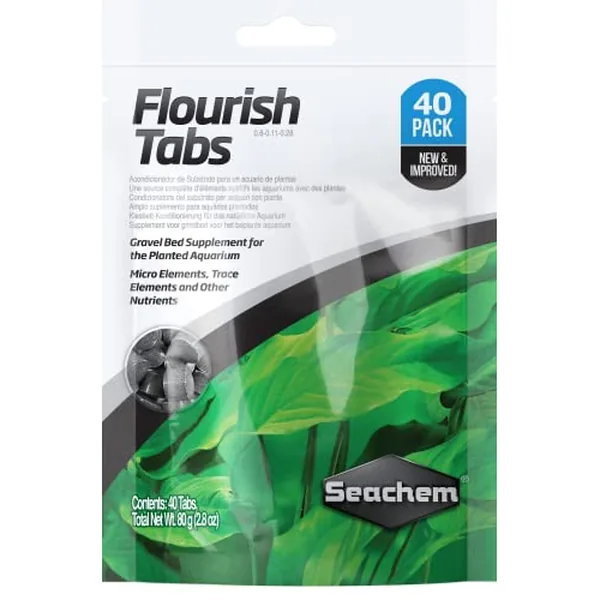
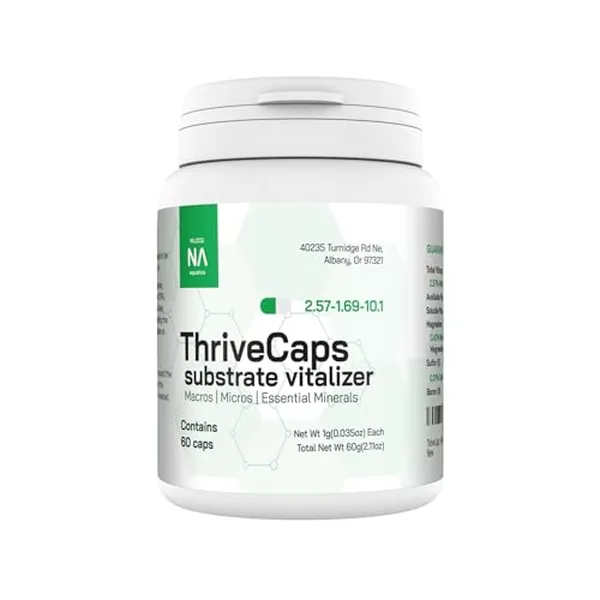
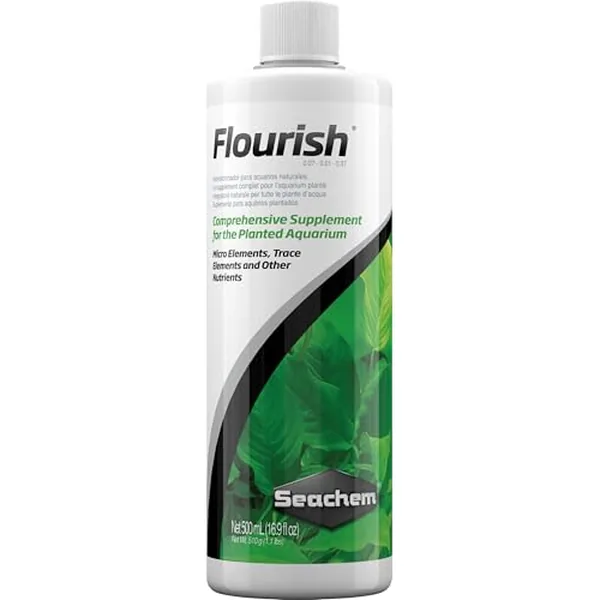
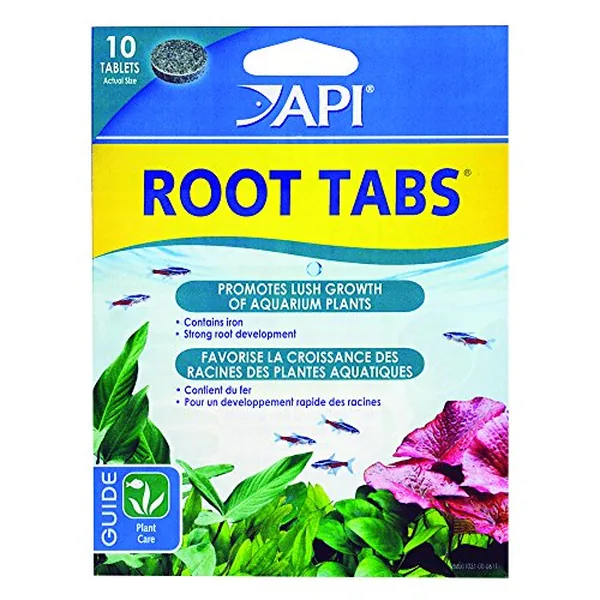
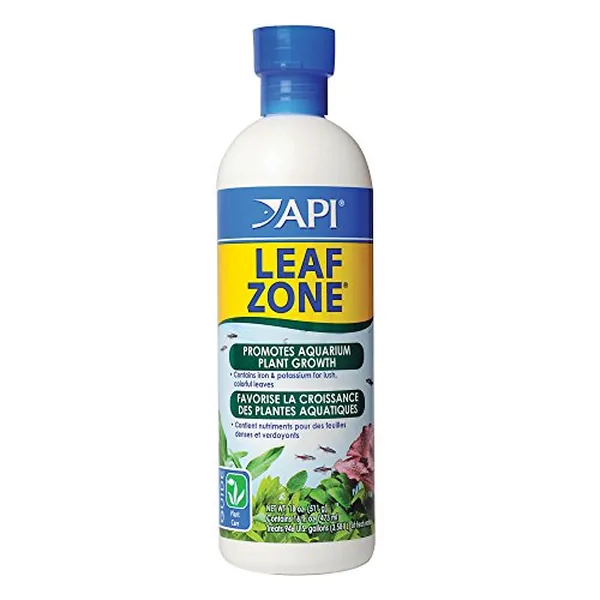
For most planted tanks, buy one complete all-in-one liquid and dose it weekly — NilocG Thrive C is our pick for a low-tech tank: it has the full macro and micro nutrients (nitrogen, phosphorus, potassium, iron and trace) and a no-mess pump. If you keep heavy root feeders like swords or crypts, add root tabs — Seachem Flourish Tabs are the premium choice, NilocG ThriveCaps the value one, and API Root Tabs the cheapest. The big trap to avoid: Seachem Flourish (the plain 'Comprehensive' bottle) and API Leaf Zone are NOT complete fertilisers — they are trace or iron/potassium supplements, so they starve plants if run alone. And remember, more fertiliser does not grow more plants; light and CO2 are usually the real limit, and overdosing just feeds algae.
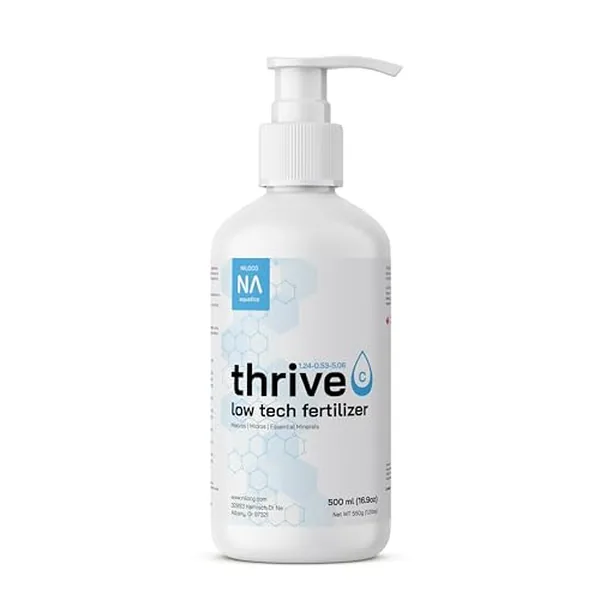
NilocG Thrive C All-in-One (500 mL)
The best all-in-one for a low-tech planted tank: a complete formula with macro and micro nutrients dosed from a pump dispenser. One weekly dose covers nitrogen phosphorus potassium plus chelated iron and trace elements.
The rest, ranked
Plant Fertilisers guides
Community consensus
Community consensus splits fertilising into two jobs and tells beginners not to overthink it: an all-in-one liquid (Thrive, Easy Green) for water-column plants, and root tabs for heavy root feeders like swords and crypts. The recurring myths it debunks: Seachem Flourish is not a complete fertiliser (it is trace-only), Flourish Excel is a carbon source rather than a fertiliser, and more ferts do not grow more plants — light and CO2 are usually the limit, and dosing past what plants use just feeds algae.
- r/PlantedTank — all-in-one vs root tab threads
- The Planted Tank
- UK Aquatic Plant Society
What we didn't pick
- Aquarium Co-Op Easy Greenconsidered 2026-08-13
A superb, beginner-friendly all-in-one and a community favourite — but Aquarium Co-Op sells it direct rather than through Amazon, so we could not link a live listing. NilocG Thrive C is our closest equivalent here.
- Seachem Flourish Excel / liquid carbonconsidered 2026-08-13
Shelved right next to the ferts, but it is a carbon source (a CO2 alternative) and algae spot-treatment, not a nutrient fertiliser — a different job. It also harms some plants such as vals and mosses at dose.
- Dry EI salts (KNO3, KH2PO4, CSM+B)considered 2026-08-13
The cheapest route per gram for high-tech dosers, but they need a scale, mixing and some know-how. We kept this list to ready-to-dose products a beginner can use straight from the bottle.
Buying guide
Two jobs: the water column and the roots
Aquarium plants feed two ways, and that is the whole map of this category. Stem plants, floaters, mosses and epiphytes like Anubias take nutrients from the water column — feed them with a liquid. Heavy root feeders — Amazon swords, crypts, most rosette plants — feed mainly through the substrate, so they want root tabs buried by the roots. A typical community tank has some of both, so the common setup is one all-in-one liquid dosed weekly plus a few root tabs a couple of times a year.
| Product type | Feeds | Best for |
|---|---|---|
| All-in-one liquid (Thrive C) | Water column | Stems, floaters, Anubias, most tanks |
| Root tabs (Flourish Tabs, API) | Substrate | Swords, crypts, heavy root feeders |
| Trace supplement (Flourish) | Water column (micros only) | Topping up iron/micros alongside a macro source |
Complete vs supplement — the label trap
Here is the mistake that stalls more planted tanks than any other. A complete fertiliser has both macros (nitrogen, phosphorus, potassium) and micros (iron and trace elements). A supplement has only part of that. Seachem's plain Flourish is trace/micros only — the maker itself says it has no significant nitrogen or phosphorus — and API Leaf Zone is essentially iron and potassium. Run either one alone and your plants slowly starve for the nutrients it leaves out. Read the label: if you want a single bottle, make sure it says it contains N, P and K, not just trace elements.
Dose without feeding algae
More fertiliser does not grow more plants. Plant growth is almost always limited by light and CO2, not nutrients, so once the tank has enough of a nutrient, extra just sits in the water where algae are happy to use it. Dose to the label for your tank size, watch the plants for a week or two, and adjust from there. If you see algae creeping in on a well-fed tank, the fix is usually less light or a shorter photoperiod, not more or fewer nutrients. Measured caps and pump tops matter here: they make it easy to dose the same small amount every week instead of guessing.
Shrimp and snails
Copper is toxic to shrimp and snails, and plant ferts contain a little as a micronutrient — at label dose the reputable brands here are invertebrate-safe, which is why keepers with shrimp stick to known products and never overdose. If you keep a dedicated shrimp tank, dose conservatively and avoid any product that does not state it is invertebrate-safe.
Sources
- Best Aquarium Plant Fertilizers — match the fertiliser to your tank's light and CO2; all-in-one for high-tech, simpler supplementation for low-tech — Aquarium Store Depot (review authority)
- Beginner's Guide to Fertilizing Your Planted Tank — plants need macronutrients (N, P, K) and micronutrients; liquids feed the water column, root tabs feed heavy root feeders — Aquarium Co-Op (how-to authority)
- Plant nutrition — nitrogen, phosphorus and potassium are primary macronutrients; iron is an essential micronutrient for photosynthesis — Wikipedia (reference)
- Seachem Flourish — a comprehensive supplement of trace and micro elements that does not contain significant levels of nitrogen or phosphorus — Seachem (manufacturer)
Some links are affiliate links; they never change our rankings.