Best Aquarium Algae Scraper (and How to Clean Glass)
The best aquarium algae scraper for most glass tanks is a magnetic cleaner; acrylic tanks need a soft pad. Compare blades, magnets and long handles.
For most glass tanks, the best aquarium algae scraper is a magnetic cleaner sized to your glass thickness, so you clean from outside the tank in seconds. Keep a stainless blade on hand for hardened spots on glass only, and a long-handle tool for deep tanks. If your tank is acrylic, skip steel entirely and use a plastic blade or soft pad, since acrylic scratches far more easily than glass.
We earn a commission if you buy through Amazon links. It never changes the score. How we make money.
The best aquarium algae scraper for most glass tanks is a magnetic cleaner you can run from outside the tank, so your hands stay dry and the fish stay undisturbed. Acrylic tanks are a different story: a steel blade that is perfect on glass will carve permanent swirls into acrylic, so the material your tank is made of decides the tool before anything else. Below are the picks by type, a decision table by tank material and thickness, and the scratch-free way to clean the glass once you have the right tool in hand.
Magnet, blade or long handle: which aquarium algae scraper fits your tank
There are three families of tool, and they solve different problems.
A magnetic cleaner is two magnets, one inside the tank and one outside, that you glide across the glass. It is the everyday choice: no wet sleeves, no reaching to the bottom, and a quick wipe whenever a green film appears. The catch is magnet strength has to match glass thickness. A magnet sized for a 10-gallon will stall on the thick walls of a 75-gallon, and a magnet too strong for thin glass is hard to steer.
A blade scraper, usually a stainless or plastic blade on a handle, is what you reach for when film has hardened into spots the magnet skates over. Steel blades cut the toughest green and even coralline, but they belong on glass only. On acrylic you use a plastic blade or a soft pad, no exceptions.
A long-handle tool keeps your arm out of a tall tank entirely. Many are sold as kits with a scraper head, a sponge, a net and a gravel-tube brush on one telescoping pole, which is the sensible buy if you keep a deeper display.
Here is the quick decision by what you actually own:
| Your tank | Reach for | Avoid |
|---|---|---|
| Glass, up to about 1/2-inch wall | Magnetic cleaner, everyday | Oversized magnets that stall |
| Glass, thick-walled or very dirty | Steel blade for spots, magnet for upkeep | Letting film harden first |
| Acrylic (any size) | Plastic blade or soft pad, long handle | Any steel blade or grit |
| Tall or deep tank | Long-handle multi-tool | Reaching in and stressing fish |
Never put a metal blade on an acrylic tank. Acrylic scratches far more easily than glass, and a steel edge will leave swirls you cannot polish out at home. If you are not certain which you have, treat it as acrylic and use a plastic blade or pad.
The picks
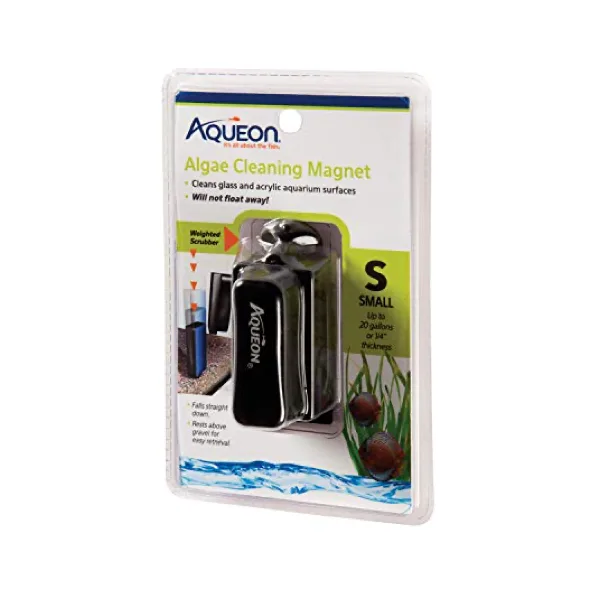
The everyday magnet for glass tanks: clean from outside, hands dry, in seconds. Match the magnet to your glass thickness.
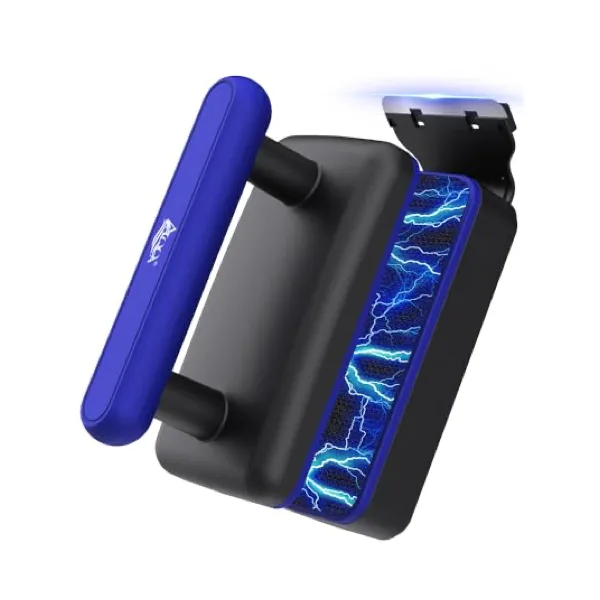
A double-sided magnet with a scraper edge, a step up for slightly thicker glass and a bit more bite on film.
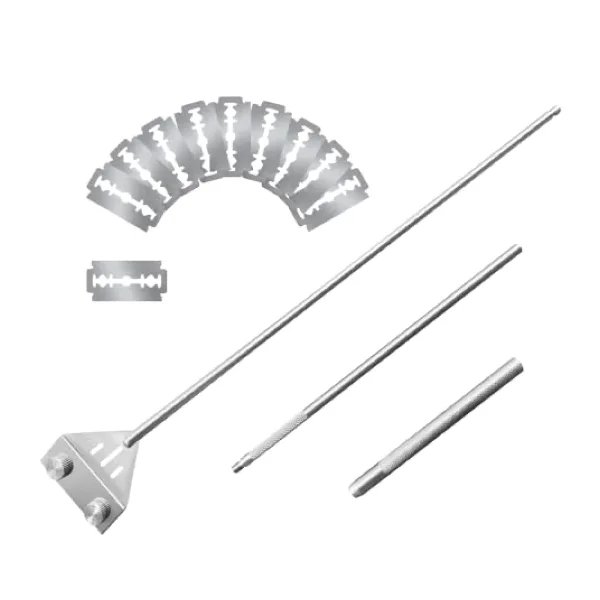
A long stainless blade on a handle for the hardened spots a magnet skates over. Glass only, never acrylic.
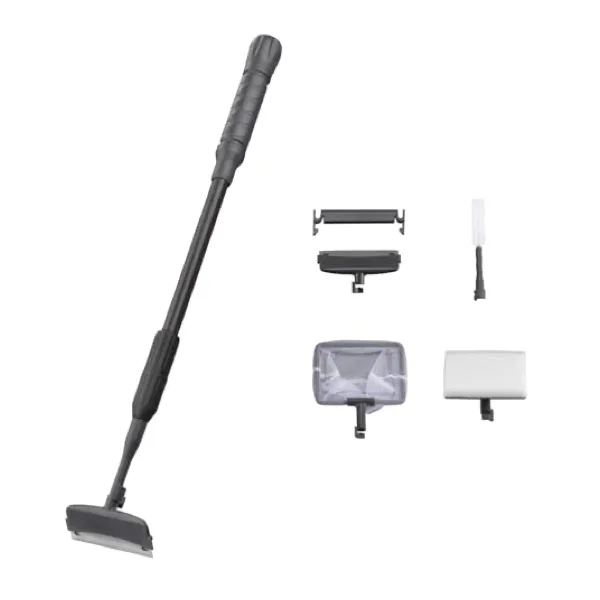
A telescoping pole with a scraper, sponge, net and tube brush, the sensible buy for a tall or deep tank.
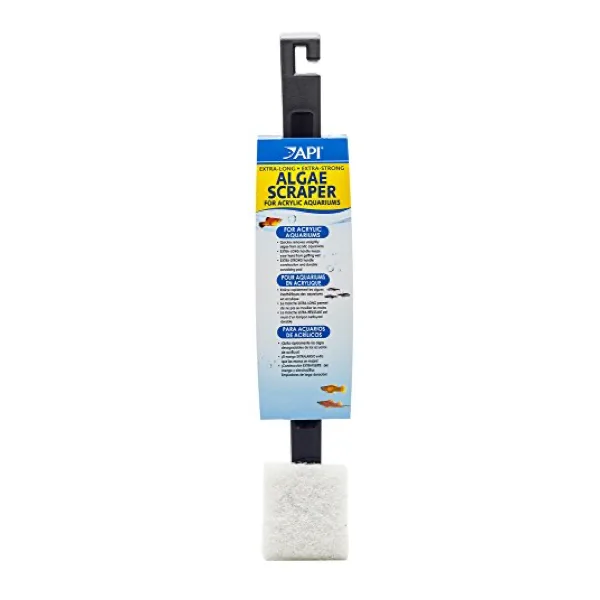
A plastic-blade scraper made for acrylic, which steel would scratch. Keep one if your tank is not glass.
Each of these is a current best seller in aquarium cleaning tools, matched to a job rather than ranked on a single number. Prices were checked on the publish date and move often.
The everyday magnet for glass is the one to buy first, with a steel blade kept on hand for the hard spots, a long-handle kit for deep tanks, and a plastic-blade option reserved for acrylic.
How to clean aquarium glass without scratching it
The scratches people blame on a scraper almost always come from a grain of sand, not the tool. One hard particle caught under a magnet or pad drags across the glass like sandpaper. The method below avoids that.
- Clear the sand line first. Run the magnet or pad down to about an inch above the substrate, not into it. Sand grains are the main cause of scratches.
- Loosen soft film with the magnet or pad in short, overlapping passes. Most routine green film lifts with gentle pressure.
- For hardened spots on glass, switch to a blade held at a low angle, roughly 30 to 45 degrees, and shave rather than gouge. On acrylic, swap to a plastic blade or pad and press lightly.
- Rinse the tool mid-job if it picks up grit, so you are not grinding it back into the glass.
- Finish the outside of the glass with a dedicated aquarium glass cleaner or plain water and a microfiber cloth. Household glass sprays can leave residues that are risky near fish, so keep them away from the tank.
A dropped magnet is the other classic scratch. Keep a steady hand near the bottom, and park the outer magnet on a towel when you set it down so it does not snap back against the glass.
White residue and hard-water stains
That cloudy white band at the old waterline is not algae, it is mineral scale left by evaporating hard water, mostly calcium. It shrugs off a normal scraper. Match the fix to the deposit:
| What you see | What it is | How to clear it |
|---|---|---|
| Green or brown film | Algae | Magnet or pad on a routine; blade for spots |
| White crust at the waterline | Hard-water mineral scale | Plastic blade when empty, or a vinegar-dampened cloth on the glass only, well away from water and fish |
| Fine green dust after a cloudy spell | Green-water algae on the glass | Wipe down, then fix light and nutrients |
Keep vinegar for empty-tank cleaning or the outside of the glass, rinse thoroughly, and never add it to a stocked tank.
Algae keeps coming back? Fix the cause
A scraper manages symptoms. If the glass greens over within days every time, the real levers are light and nutrients, not elbow grease. Too many hours of light and excess nutrients feed the bloom, so the lasting fix is upstream of the tool. Our guide to getting rid of aquarium algae covers the causes, and because a long photoperiod is the usual culprit, it is worth checking how long to run an aquarium light and keeping to a regular water-change schedule. Dialing in the lighting does more for clear glass than any scraper.
How often should you scrape the glass?
For most tanks, a quick pass with a magnet once or twice a week keeps the front glass clear and takes under a minute. The trick is to do it little and often: a thin film wipes away with a gentle pass, while two weeks of neglect bakes on into spots that need a blade. Folding the wipe into your weekly water change is the easy habit, since you are at the tank anyway.
The back and side panes are a judgment call. Many keepers leave the back glass alone on purpose, since a thin layer of algae there is harmless, feeds grazers like snails and shrimp, and hides equipment. Clean only the viewing panes you actually look through, and let the rest be.
If you find yourself scraping every day to keep the front clear, the tool is not the problem and a better scraper will not fix it. That is a lighting-and-nutrient issue, covered below, and solving it upstream turns a daily chore back into a weekly one.
Sources
- Manufacturer product listings for each tool's stated glass-thickness range and acrylic suitability, which is the only reliable guide to whether a given magnet or blade is safe on your tank.
- General aquarium-maintenance consensus that scratches come from trapped substrate and dropped magnets rather than the blade itself, which informs the sand-line-first method above.
Buy a magnetic cleaner matched to your glass thickness as the everyday tool, add a stainless blade for the stubborn spots it skates over, and reach for a long-handle kit only if your tank is deep. Acrylic owners should ignore every steel option and stick to a plastic blade or pad. And remember the scraper only treats the symptom: if the glass greens over within days, the lasting fix is less light and fewer nutrients, not a sharper blade.
Common questions
How do you clean aquarium glass?
Start above the substrate so you do not drag a sand grain across the glass, loosen the film with a magnet or soft pad in short overlapping passes, then switch to a blade held at a low angle for any hardened spots on glass. Clean the outside with a dedicated aquarium glass cleaner or plain water and a microfiber cloth.
What can you use to clean aquarium glass?
A magnetic cleaner for routine film, a stainless or plastic blade for hard spots, and a microfiber cloth for the outside. Use a dedicated aquarium glass cleaner rather than a household spray, which can leave residues that are risky near fish. On acrylic, use only plastic blades or soft pads.
How do you get white residue off aquarium glass?
That white crust at the old waterline is mineral scale from hard water, not algae, so a normal scraper will not shift it. Clear it with a plastic blade when the tank is empty, or wipe the glass with a vinegar-dampened cloth well away from the water and fish, then rinse thoroughly. Never add vinegar to a stocked tank.
How do you remove scratches from aquarium glass?
Light scratches in glass usually cannot be polished out at home and are best prevented by keeping sand out from under the pad and not dropping the magnet. Acrylic scratches can sometimes be buffed with a plastic polish made for acrylic. The reliable fix for both is prevention: clear the sand line first and handle magnets carefully.