Best fish food
Independent rankings of freshwater tropical fish food — flakes, pellets and wafers — by nutritional quality, feeding behaviour and impact on water clarity.
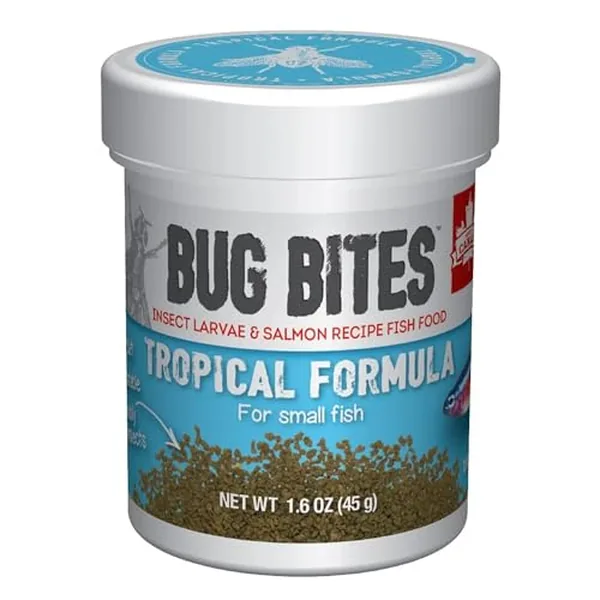
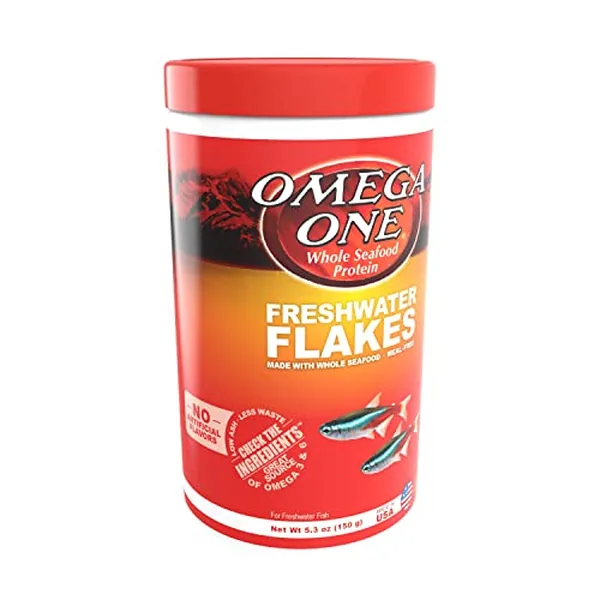
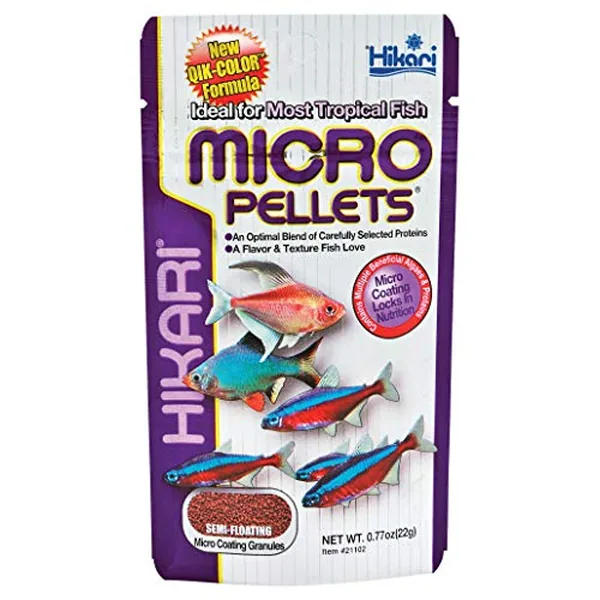
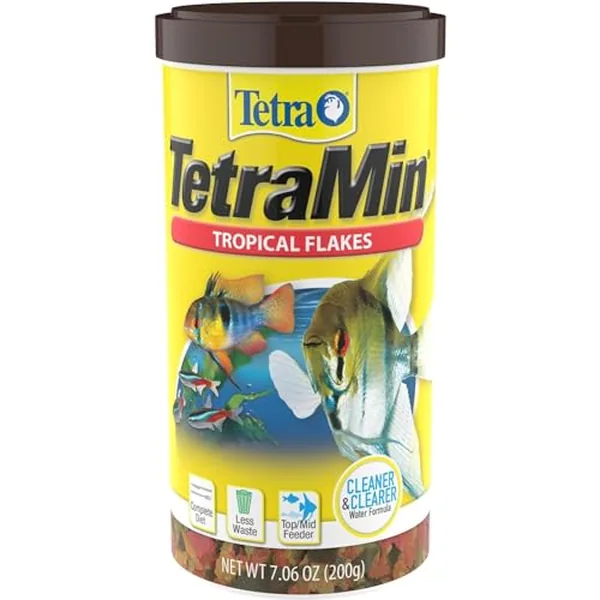
Buy a quality staple and feed less of it. New Life Spectrum is the premium all-rounder — whole-fish protein, no fillers, and community fish devour it. Prefer flakes, or want insect protein? Omega One Freshwater Flakes and Fluval Bug Bites are excellent, and Bug Bites is the value pick. Small nano fish need micro pellets (Hikari); catfish, loaches and plecos need a sinking wafer that actually reaches the bottom. On a budget, TetraMin is the reliable default. The one rule that matters more than the brand: do not overfeed. Uneaten food is the number-one cause of ammonia spikes — feed only what your fish finish in a minute or two, and rotate two or three foods for variety.
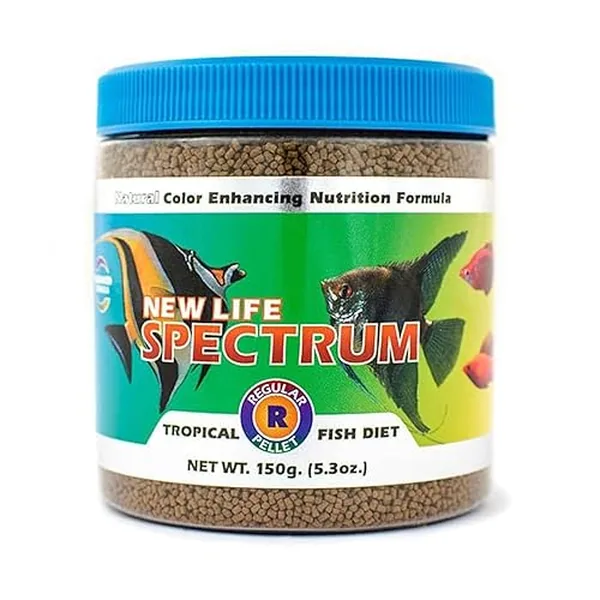
New Life Spectrum Regular (150 g)
The premium daily staple: a high protein, whole fish protein pellet with no fillers and colour enhancing algae, readily accepted by almost any community fish. Small slow sinking pellets most keepers rate the best all-round food.
The rest, ranked
Fish Food guides
Community consensus
Community consensus rates New Life Spectrum, Omega One and Fluval Bug Bites as the quality tier, and treats variety as the real secret — rotating two or three foods beats any single 'best'. The universal warning is about overfeeding: a small pinch once or twice a day, and a tank of healthy adults can skip a day without harm. Bottom feeders need food that genuinely sinks; flakes alone leave corys and plecos hungry.
- r/Aquariums — best fish food threads
- FishLore
- The Planted Tank
What we didn't pick
- Freeze-dried bloodworms or brine shrimp as a stapleconsidered 2026-08-13
A great treat and handy for conditioning or tempting a picky eater, but too narrow nutritionally for a daily diet. We ranked complete staples; keep freeze-dried as an occasional supplement.
- Goldfish- and cichlid-specific formulasconsidered 2026-08-13
Excellent for those fish, but this list targets the tropical community tank. Goldfish and African cichlids have different protein and vegetable needs and deserve their own pick.
Buying guide
Ingredients: read the first three
A fish is what it eats, and the ingredient list tells you everything. On a good food the first ingredient is whole fish or an animal protein — whole salmon, fish meal, black soldier fly larvae, krill. On a cheap one it is wheat, corn or soy: filler that pads the tub, lowers usable protein, and passes through the fish as extra waste that clouds the water. You are not paying much more for quality — a premium staple is a few dollars a tub — and because it is denser you feed less of it.
| Fish | Where they eat | Best food form | Our pick |
|---|---|---|---|
| Tetras, barbs, mollies | Top and mid | Flake or small pellet | NLS · Omega One |
| Nano fish (chili rasbora, small tetras) | Mid | Micro pellet | Hikari Micro Pellets |
| Bettas, guppies | Top | Small floating pellet | NLS · Bug Bites |
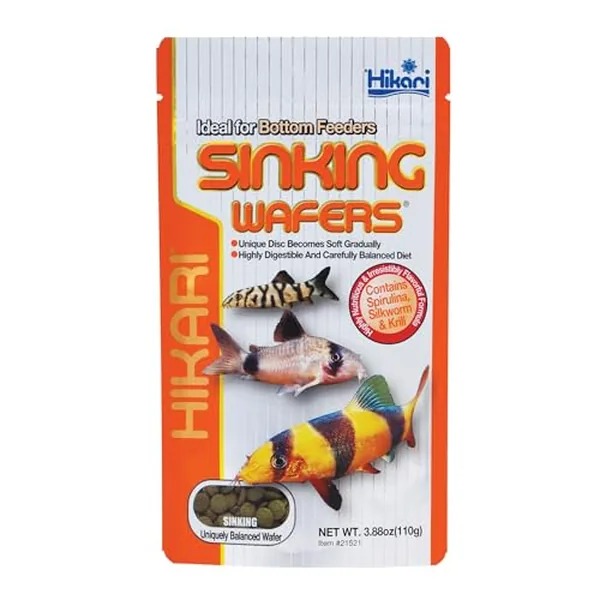
| Corydoras, loaches, plecos | Bottom | Sinking wafer | Hikari Sinking Wafers |
Flake, pellet or wafer?
Form is about where your fish eats, not which is better. Flakes float then drift down — ideal for top- and mid-water fish. Pellets and granules sink slowly and hold their nutrients longer with less mess, which is why many keepers use them as the staple. Wafers drop straight to the bottom and hold together, the only reliable way to feed catfish and plecos before mid-water fish snatch everything. Most community tanks are best served by a small pellet or flake as the staple plus a sinking wafer if you keep bottom dwellers.
The rule that beats any brand: do not overfeed
The fastest way to kill fish is not the wrong food, it is too much of it. Uneaten food rots into ammonia and nitrite — the same toxins your filter is fighting — and cheap filler foods make it worse by clouding the water. Feed only what your fish finish in a minute or two, once or twice a day. A pinch looks like too little; it is not. A tank of healthy adults can skip a day with no harm, and a weekly fast is common practice. If food is sitting on the substrate five minutes later, you fed too much.
Variety beats the 'best'
No single food is nutritionally perfect. The keepers with the best-coloured, longest-lived fish rotate two or three foods — say a pellet staple, an insect or seafood flake, and an occasional frozen or freeze-dried treat. Buy sizes you will finish within a few months, too: flakes and pellets lose vitamins once the tub has been open a while, so a giant cheap tub is a false economy for a small tank.
Sources
- Best Flake Fish Food — fish meal and marine proteins should top the ingredient list, not corn or soy fillers — Aquarium Store Depot (review authority)
- Best Fish Food Brands, tested and ranked — species-specific nutrition, colour enhancement and water quality compared — Kwik Pets (independent review)
- How Much to Feed Your Fish — feed small amounts once or twice a day; overfeeding pollutes the water and spikes ammonia — Aquarium Co-Op (health / husbandry authority)
- Aquarium fish feed — flakes, pellets, granules and wafers are manufactured to float or sink for the species they feed — Wikipedia (reference)
Some links are affiliate links; they never change our rankings.