Best filter media
Independent rankings of aquarium filter media — biological, chemical and mechanical — by capacity, longevity and fit, and the bulk-media-versus-cartridge cost trap.
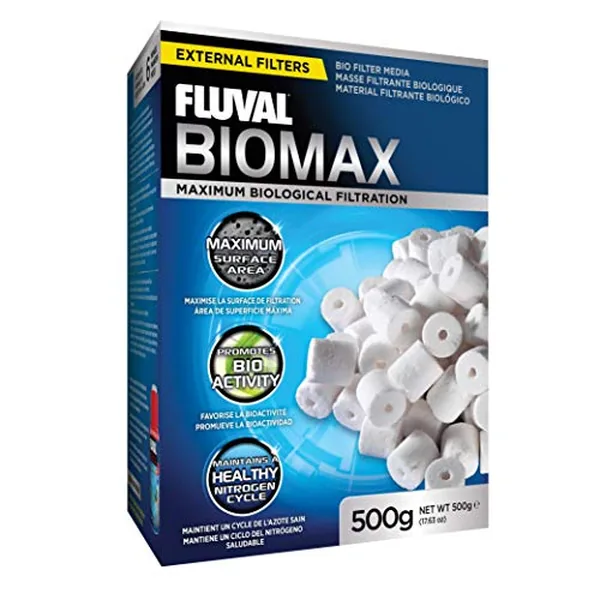
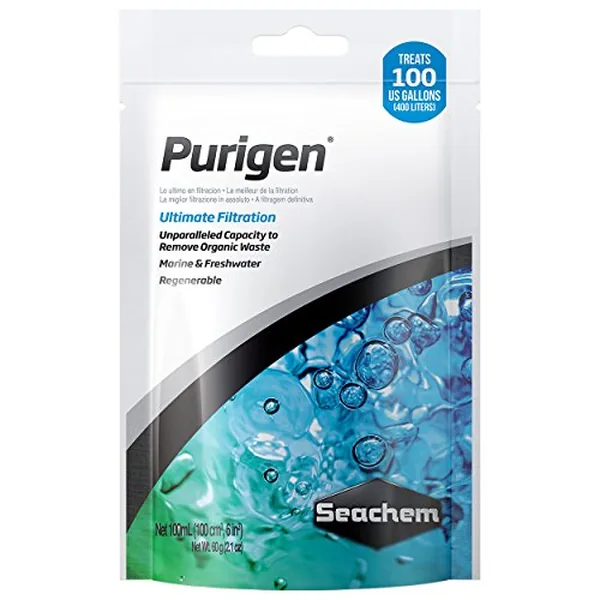
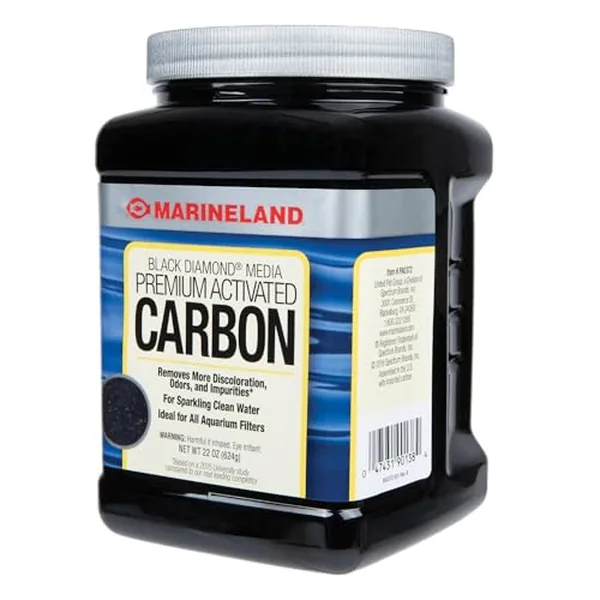
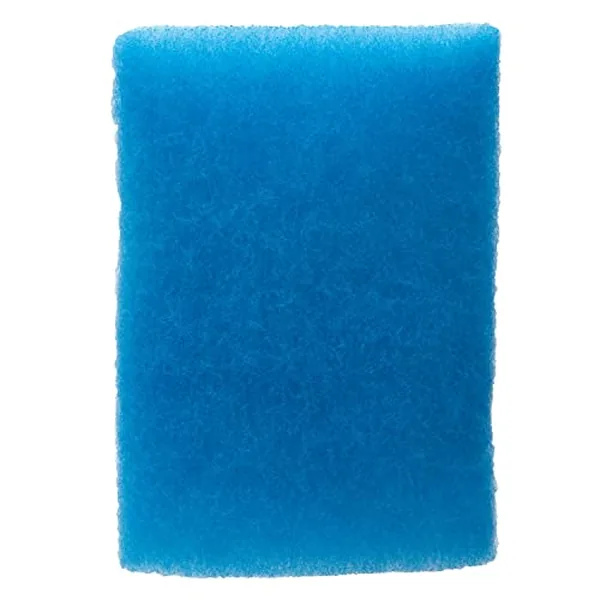
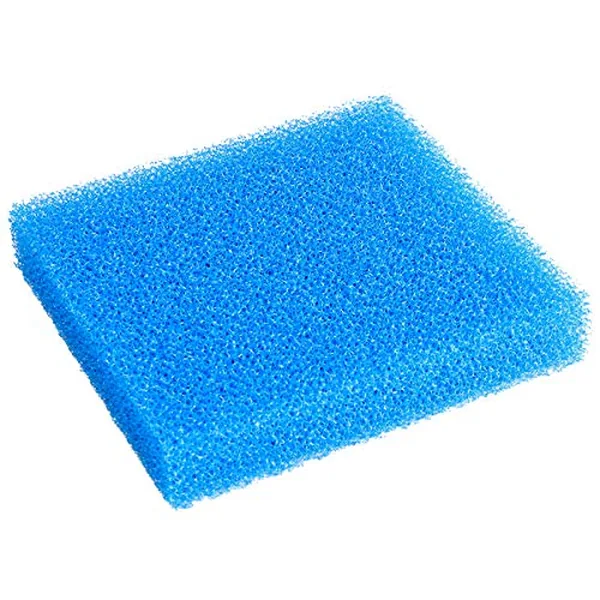
Fill your filter with bulk media and stop buying cartridges. For biological media — the part that actually keeps fish alive — Seachem Matrix is the buy-once benchmark: porous ceramic with huge surface area that you rinse and reuse for years. Fluval BioMax rings are the universal, slightly cheaper alternative. For polishing water clear, add Seachem Purigen (rechargeable) or a scoop of bulk Marineland carbon. For mechanical filtration, a Marineland bonded pad or an open-cell foam sheet cut to fit does the job a branded cartridge does, for a fraction of the price. The one rule: never replace all your biological media at once, or you throw out the bacteria colony with it.
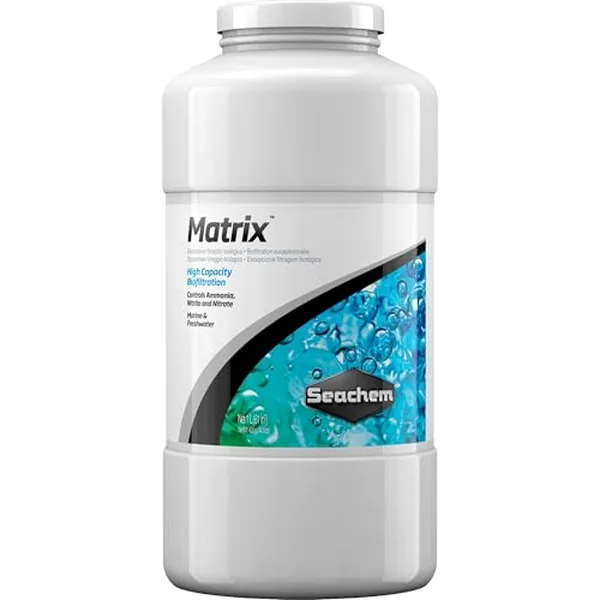
Seachem Matrix Bio Media (1 L)
The buy-it-once biological media: a porous ceramic with enormous high surface area for bacterial colonisation, inside and out. Rinse and reuse for years — it never needs replacing.
The rest, ranked
Filter Media guides
Community consensus
Community consensus is blunt: stop buying cartridges. Keepers overwhelmingly run bulk ceramic or foam they rinse and reuse, and treat Matrix and BioMax as interchangeable defaults. The recurring warnings — never replace all your biological media at once (you dump the bacteria colony with it), rinse media in old tank water rather than chlorinated tap, and treat carbon as an optional, short-lived polish rather than a permanent stage.
- r/Aquariums — filter media and cartridge threads
- The Planted Tank
- FishLore
What we didn't pick
- Eheim Substrat Proconsidered 2026-08-13
Arguably the highest surface area per litre of any bio media, and excellent — but it sells above this consumables tier and was not reliably in stock at review time. Matrix and BioMax cover the same job for less.
- Plastic bio-ballsconsidered 2026-08-13
Fine in a wet/dry trickle tower, but their surface area is low for a submerged canister or hang-on-back, where porous ceramic wins. We kept to media that performs in the filters most readers actually own.
Buying guide
A filter does three jobs — media does two of them well
Filtration comes in three kinds, and the media aisle sells all three. Mechanical media (floss, foam, pads) strains out visible debris. Chemical media (activated carbon, Purigen) adsorbs dissolved gunk, tint and odour. Biological media (porous ceramic, foam) is the one that actually keeps fish alive: it houses the nitrifying bacteria that turn toxic ammonia into nitrite and then into far less toxic nitrate. Bacteria live on surface area, so with bio media, surface area is the product — which is why porous ceramic beats a smooth plastic ball.
The cartridge trap
Here is the money question the big brands would rather you not ask. A slot-in cartridge is a plastic frame wrapped in a little floss and a pinch of carbon, sold to be thrown away and rebought every month — often $8 to $10 a time, well over $100 a year for one filter. Everything a cartridge does, bulk media does cheaper and better:
| Job | Cartridge | Bulk alternative | Rebuy? |
|---|---|---|---|
| Mechanical | Floss wrap | Bonded pad / foam, cut to fit | Rarely — rinse |
| Chemical | Pinch of carbon | Loose carbon or Purigen | Carbon: weeks · Purigen: recharge |
| Biological | Almost none | Porous ceramic (Matrix/BioMax) | Never |
A $6 bonded pad cut into a dozen replacements, a jug of carbon, and a bag of ceramic you never rebuy will out-filter any cartridge for years at a fraction of the cost.
What actually needs replacing (and what never does)
This is the rule people get wrong. Biological media never gets thrown out — you rinse it in old tank water (never chlorinated tap, which kills the bacteria) and put it straight back. Mechanical media you rinse until it falls apart, then swap cheaply. Only carbon is genuinely consumable, and it is optional — it saturates in a few weeks and simply stops working, it does not harm anything when spent. Above all: never replace all your biological media at once. The bacteria colony lives in it; swap it wholesale and you restart your tank's cycle and risk an ammonia spike. Replace at most a third at a time, weeks apart.
Sources
- Best Biological Filter Media — how surface area drives bacterial colonisation, comparing Matrix, BioMax and Substrat Pro — Fish Tank World (review authority)
- Best Media for Biofilter Aquariums — most bio media is reusable and never needs replacing; rinse it, do not rebuy it — The Pleco Feeder (independent review, no affiliate links)
- The nitrogen cycle — nitrifying bacteria living on filter media convert ammonia to nitrite to nitrate — Aquarium Science (science authority)
- Seachem Matrix — high-porosity biomedia for nitrifying and denitrifying bacteria; completely inert, does not break down, need not be replaced — Seachem (manufacturer)
Some links are affiliate links; they never change our rankings.